

Industrial Applications and Ceramic 3D Printing
Industrial applications require components capable of meeting specific requirements for temperature resistance, mechanical strength, wear resistance, corrosion resistance and electrical insulation. Depending on the processes and operating environments, conventional materials can reach their limits.
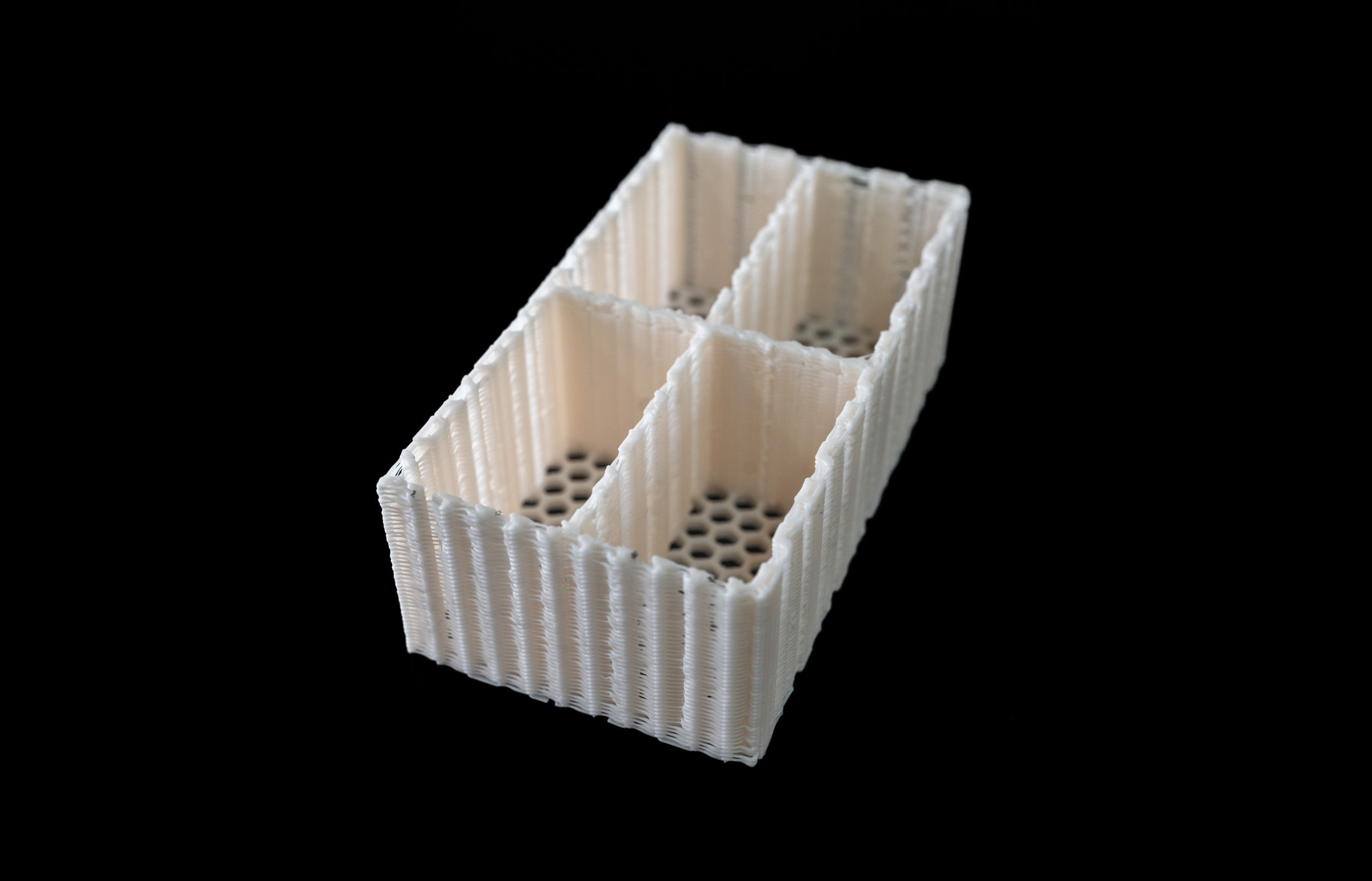
Technical ceramics offer properties suited to a wide range of industrial applications. 3D printing also makes it possible to manufacture complex geometries and bespoke components, from prototypes to production runs.
Why Ceramic 3D Printing for Industry?
Ceramic additive manufacturing makes it possible to develop industrial components by combining the properties of ceramic materials with considerable design freedom. It addresses the needs of sectors where operating conditions demand specific performance characteristics.
It offers several advantages:
- The production of complex geometries that are difficult to achieve using conventional manufacturing processes
- The manufacture of components resistant to high temperatures, wear and harsh environments
- The use of materials suited to thermal, mechanical, chemical and electrical requirements
- The production of specialised components, from prototypes to small, medium and large production runs
These capabilities make it possible to develop components suited to the demands of a wide range of industrial processes and equipment.

Examples of Industrial Applications
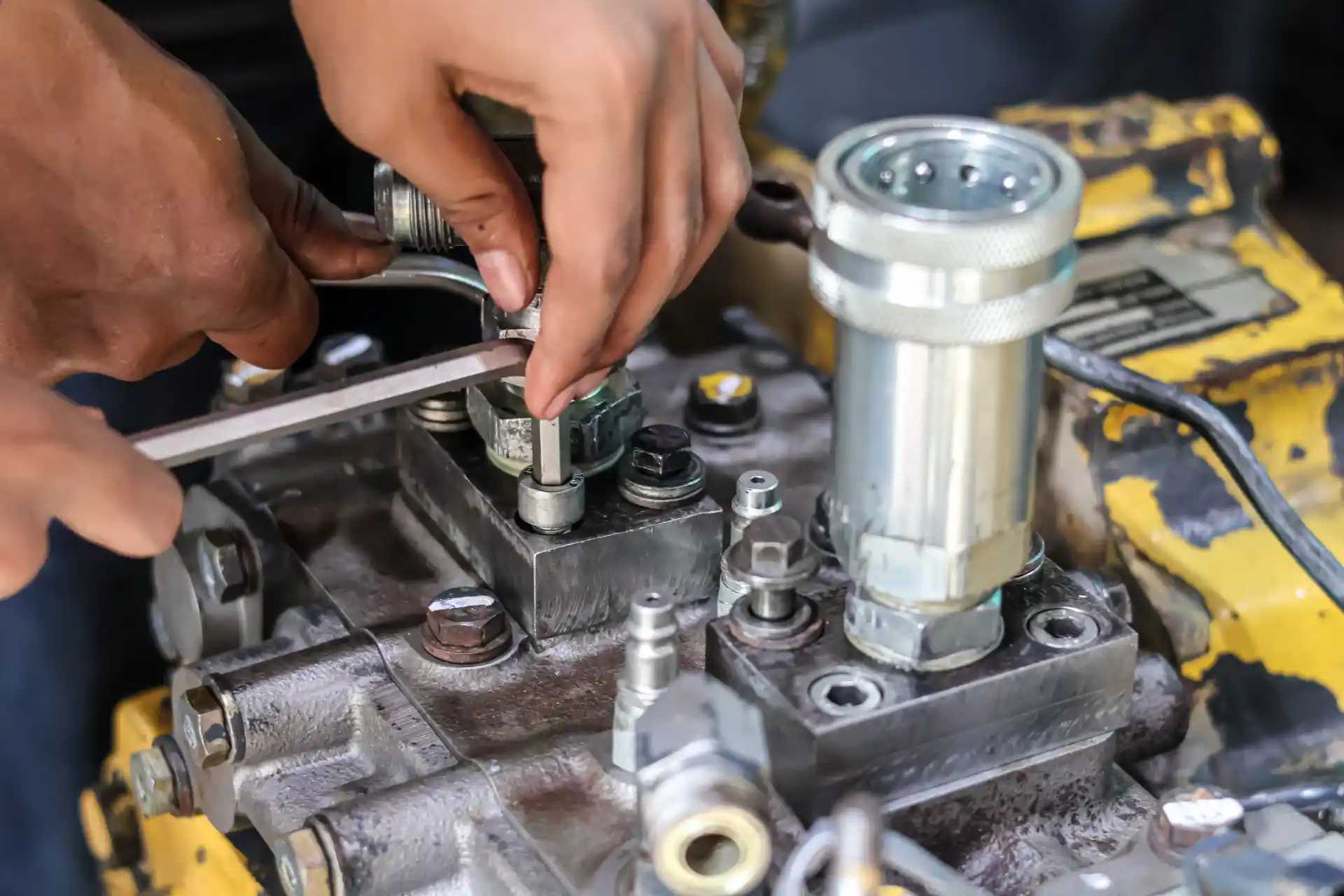
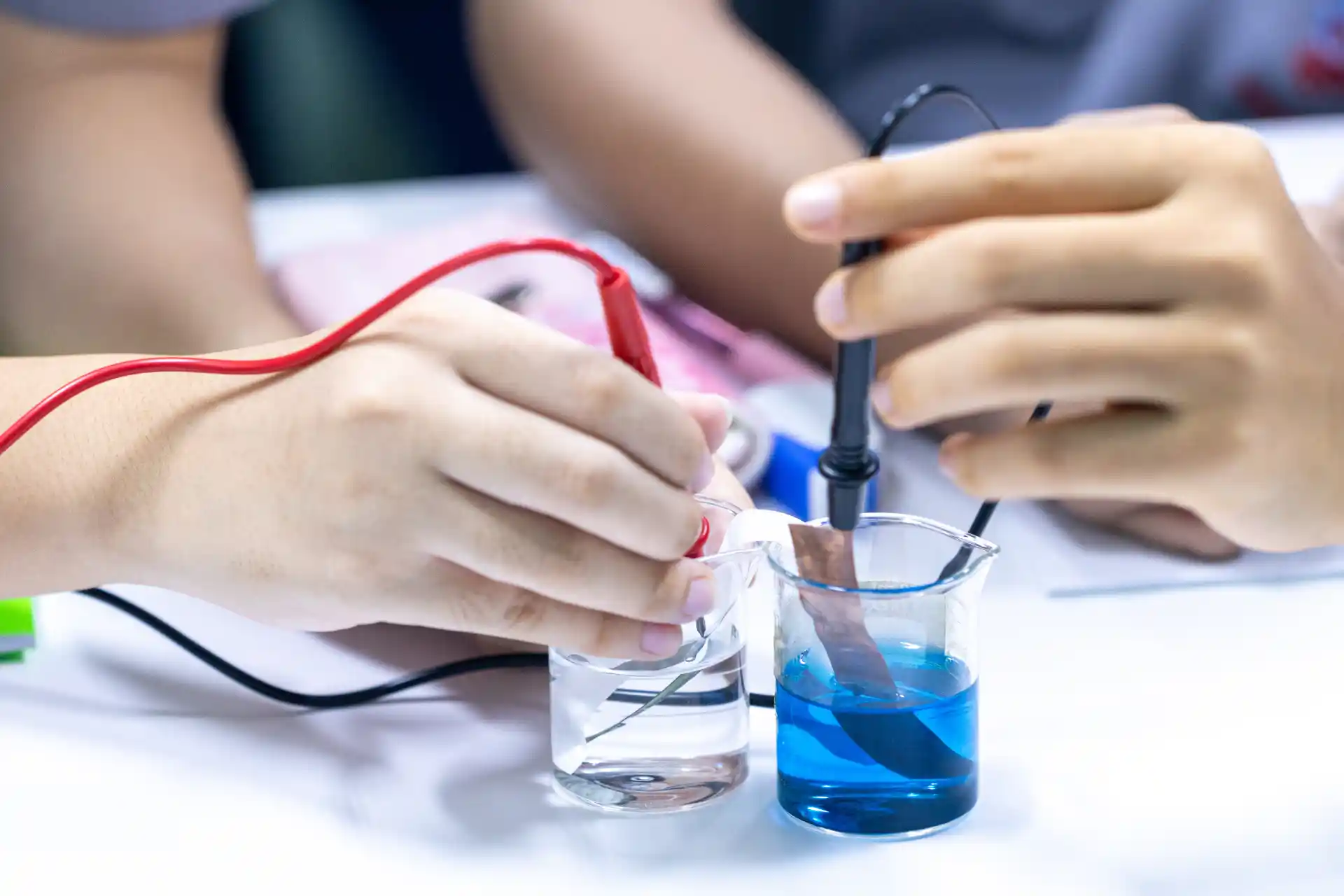
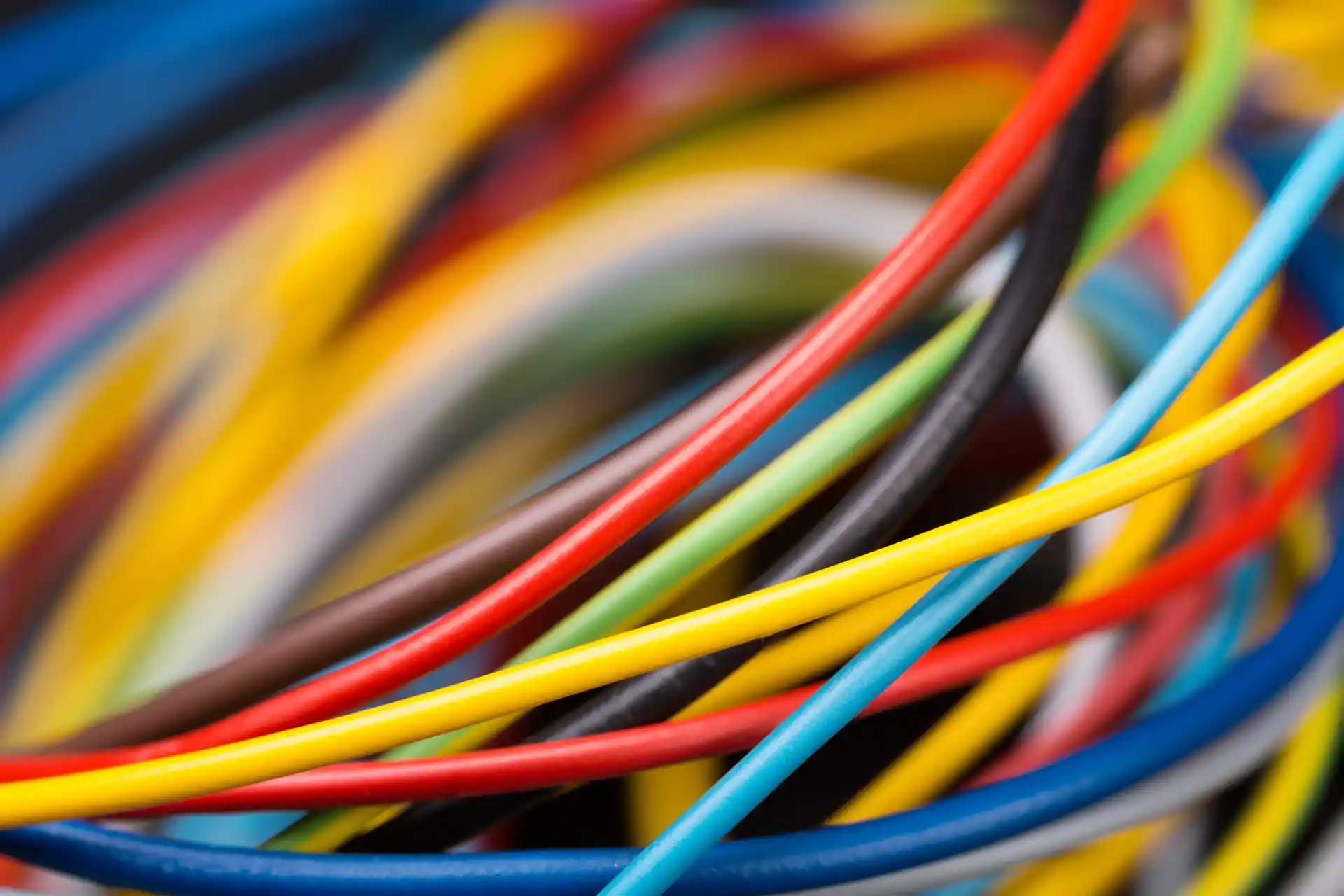
Technical ceramics can be used across a wide range of industrial fields, particularly in equipment and processes exposed to high temperatures, wear or demanding chemical environments.
Do You Have a Project for an Industrial Application?
Are you developing a component that must withstand thermal, mechanical, chemical or electrical constraints? Novadditive supports you with feasibility assessments and the manufacture of technical ceramic components tailored to your application.